Contents
- 1 What Makes MetaMask the Leading Multi-Chain Wallet
- 2 MetaMask Polygon: Scaling Ethereum for Mass Adoption
- 3 Expanding Beyond Ethereum: MetaMask BSC and Alternative Networks
- 4 Layer-2 Solutions: MetaMask Arbitrum and MetaMask Optimism
- 5 Advanced MetaMask Features for Multi-Chain Users
- 6 Security Best Practices for Multi-Chain DeFi
- 7 The Future of Multi-Chain Web3 with MetaMask
- 8 Conclusion
- 9 Frequently Asked Questions
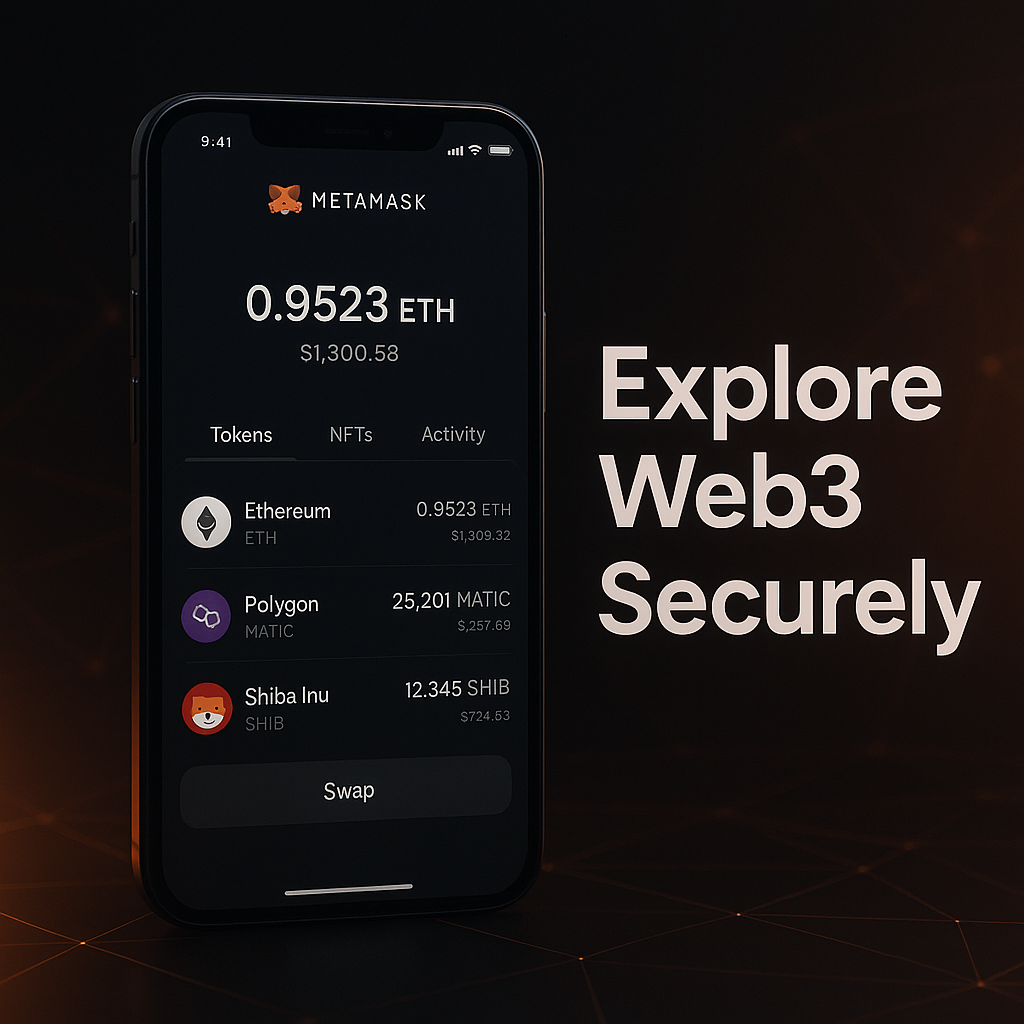
The decentralized web extends far beyond Ethereum, with layer-2 solutions and alternative blockchains offering faster transactions and lower costs. MetaMask Polygon integration represents a crucial gateway to this expanded Web3 ecosystem, enabling users to seamlessly access DeFi protocols, NFT marketplaces, and dApps across multiple networks. As the leading browser extension wallet, MetaMask simplifies multi-chain interactions while maintaining the security and self-custodial principles that have made it the preferred choice for over 30 million users worldwide.
Whether you’re exploring DeFi yield farming on Polygon, trading NFTs with reduced gas fees, or developing cross-chain applications, understanding how to leverage MetaMask’s multi-chain capabilities is essential for maximizing your Web3 experience. This comprehensive overview will explore MetaMask’s Polygon integration alongside other major networks, demonstrating why this browser extension remains the gold standard for accessing the decentralized web.
What Makes MetaMask the Leading Multi-Chain Wallet
MetaMask has established itself as the definitive Web3 wallet through its robust browser extension that seamlessly connects users to the decentralized web. Originally built for Ethereum, MetaMask has evolved into a comprehensive multi-chain platform supporting numerous EVM-compatible networks including Polygon, Binance Smart Chain, Arbitrum, Optimism, and Avalanche.
The MetaMask browser extension serves as your gateway to thousands of decentralized applications, providing a self-custodial solution that puts you in complete control of your digital assets. Unlike centralized exchanges or custodial wallets, MetaMask ensures that you alone control your private keys through your Secret Recovery Phrase, maintaining true ownership of your cryptocurrency and NFTs.
What sets MetaMask apart is its seamless integration across major browsers including Chrome, Firefox, Brave, and Edge, combined with its intuitive interface that makes Web3 accessible to both newcomers and experienced users. The platform’s continuous innovation, including the recent introduction of MetaMask Snaps for enhanced functionality, demonstrates its commitment to leading the evolution of decentralized finance and Web3 technology.
MetaMask Polygon: Scaling Ethereum for Mass Adoption
MetaMask Polygon integration addresses one of Ethereum’s most significant challenges: high gas fees and network congestion. Polygon operates as a layer-2 scaling solution that processes transactions faster and cheaper while maintaining compatibility with Ethereum’s robust security model. When you connect MetaMask to Polygon, you gain access to the same DeFi protocols and applications you love on Ethereum, but with dramatically reduced transaction costs.
The Polygon network has become a cornerstone of the DeFi ecosystem, hosting popular protocols like Aave, Uniswap V3, and SushiSwap. With MetaMask Polygon configured, you can seamlessly interact with these platforms, participate in yield farming, provide liquidity, and trade tokens without the prohibitive gas fees often associated with Ethereum mainnet transactions.
Setting up MetaMask Polygon access is straightforward through the wallet’s network selector, allowing you to switch between Ethereum and Polygon with a single click. This flexibility enables sophisticated trading strategies and DeFi participation that would be economically unfeasible on Ethereum mainnet alone.
Expanding Beyond Ethereum: MetaMask BSC and Alternative Networks
MetaMask BSC (Binance Smart Chain) integration opens access to another major DeFi ecosystem with its own unique advantages. Binance Smart Chain offers fast transaction speeds and minimal fees, making it particularly attractive for high-frequency trading and smaller transactions. Popular BSC protocols like PancakeSwap, Venus, and Alpaca Finance are easily accessible through your MetaMask browser extension.
The beauty of MetaMask’s multi-chain approach lies in its unified interface. Whether you’re interacting with MetaMask Polygon, MetaMask Binance Smart Chain, or Ethereum mainnet, the user experience remains consistent. Your Secret Recovery Phrase secures wallets across all supported networks, simplifying portfolio management while maintaining security.
MetaMask Avalanche support adds another dimension to your DeFi strategy, providing access to the rapidly growing Avalanche ecosystem with its sub-second finality and innovative consensus mechanism. Networks like Trader Joe, Pangolin, and Benqi demonstrate Avalanche’s commitment to DeFi innovation, all accessible through your familiar MetaMask interface.
Layer-2 Solutions: MetaMask Arbitrum and MetaMask Optimism
Layer-2 scaling solutions represent the future of Ethereum scalability, and MetaMask provides seamless access to the most important L2 networks. MetaMask Arbitrum integration connects you to one of the largest Ethereum layer-2 ecosystems, featuring established protocols like GMX, Radiant Capital, and Camelot DEX.
Arbitrum’s optimistic rollup technology processes transactions off-chain while inheriting Ethereum’s security guarantees. Through MetaMask Arbitrum access, you can participate in advanced DeFi strategies, trade perpetual contracts, and interact with cutting-edge protocols at a fraction of mainnet costs.
Similarly, MetaMask Optimism support provides entry to another major layer-2 ecosystem focused on scaling Ethereum through optimistic rollups. The Optimism network hosts protocols like Synthetix, Velodrome, and Kwenta, offering unique DeFi opportunities not available on other networks. The retroactive airdrop culture on Optimism has made it particularly attractive for early adopters and active DeFi participants.
Advanced MetaMask Features for Multi-Chain Users
MetaMask Snaps represents a revolutionary expansion of wallet functionality, allowing developers to extend MetaMask’s capabilities through secure, sandboxed plugins. These snaps can add support for non-EVM blockchains, implement additional security features, or provide specialized DeFi tools directly within your browser extension wallet.
The built-in token swap functionality aggregates liquidity across multiple decentralized exchanges, automatically finding the best prices for your trades. Whether you’re swapping on Polygon, BSC, or Ethereum mainnet, MetaMask’s swap feature simplifies the trading process while maintaining competitive rates.
Hardware wallet integration provides an additional security layer for users managing significant cryptocurrency portfolios across multiple chains. By connecting Ledger or Trezor devices to MetaMask, you can enjoy the convenience of a browser extension while keeping your private keys secured in cold storage. This hybrid approach is particularly valuable when interacting with newer DeFi protocols where smart contract risks may be higher.
Security Best Practices for Multi-Chain DeFi
Operating across multiple blockchains through MetaMask requires heightened security awareness. Your Secret Recovery Phrase remains the master key to all your wallets across different networks, making its protection paramount. Store this phrase offline in multiple secure locations, and never share it with anyone or enter it on suspicious websites.
When adding custom networks like Polygon or BSC to MetaMask, always verify network parameters through official sources. Malicious actors sometimes promote fake network configurations designed to redirect transactions or compromise user funds. MetaMask’s built-in network switching feature includes verified configurations for major networks, reducing the risk of configuration errors.
Smart contract interactions on newer networks may carry additional risks compared to battle-tested Ethereum protocols. Always research DeFi protocols thoroughly, start with small amounts, and consider using dedicated wallets for experimental DeFi activities to limit potential losses.
The Future of Multi-Chain Web3 with MetaMask
The Web3 landscape continues evolving toward a multi-chain future where different blockchains serve specialized purposes. Ethereum remains the hub for high-value transactions and established DeFi protocols, while layer-2 solutions like Polygon and Arbitrum handle everyday transactions and experimental applications. MetaMask’s role as the primary interface for this diverse ecosystem positions it at the center of Web3’s continued growth.
Emerging technologies like cross-chain bridges and interoperability protocols are making multi-chain DeFi strategies more sophisticated and accessible. MetaMask’s continued development, including potential integration with non-EVM chains through Snaps, ensures that users can access new opportunities as they emerge.
The platform’s commitment to open-source development and community governance aligns with Web3’s decentralized ethos while providing the stability and security that mainstream adoption requires. As more users discover the benefits of self-custodial wallets and decentralized finance, MetaMask’s multi-chain capabilities will become increasingly valuable.
Conclusion
MetaMask’s evolution from an Ethereum-focused browser extension to a comprehensive multi-chain Web3 platform demonstrates the wallet’s adaptability and forward-thinking development. Whether you’re exploring MetaMask Polygon for cost-effective DeFi, leveraging MetaMask BSC for fast transactions, or experimenting with layer-2 solutions through MetaMask Arbitrum and Optimism, this browser extension provides the tools necessary for sophisticated Web3 participation.
The combination of robust security through self-custody, seamless multi-chain switching, and continuous feature development makes MetaMask the clear choice for serious Web3 users. As the decentralized web continues expanding across multiple blockchains, having a reliable, feature-rich wallet becomes increasingly important for accessing new opportunities and managing diverse crypto portfolios.
Ready to explore the multi-chain Web3 ecosystem? Download MetaMask today and discover why millions of users trust this browser extension to access the decentralized web securely and efficiently.
Frequently Asked Questions
How do I add Polygon network to MetaMask?
Click the network selector at the top of MetaMask, select “Add network,” then choose Polygon from the popular networks list. Alternatively, you can add it manually using Polygon’s official RPC details. The network will appear in your network selector once added, allowing easy switching between Ethereum and Polygon.
Can I use the same MetaMask wallet for multiple blockchains?
Yes, your MetaMask wallet works across all EVM-compatible blockchains using the same Secret Recovery Phrase. You can switch between Ethereum, Polygon, BSC, Arbitrum, Optimism, and other supported networks while maintaining access to your accounts. Each network will show different token balances and transaction history.
Are gas fees different on Polygon compared to Ethereum?
Yes, Polygon offers significantly lower gas fees compared to Ethereum mainnet. Typical Polygon transactions cost fractions of a cent, while Ethereum fees can range from several dollars to hundreds depending on network congestion. This makes Polygon ideal for frequent trading, DeFi interactions, and NFT transactions.
What is the difference between MetaMask Arbitrum and MetaMask Optimism?
Both Arbitrum and Optimism are Ethereum layer-2 scaling solutions accessible through MetaMask, but they use different technical approaches. Arbitrum uses optimistic rollups with multi-round fraud proofs, while Optimism uses single-round fraud proofs. Both offer lower fees than Ethereum mainnet while maintaining security through the base layer.
Is MetaMask safe for storing cryptocurrency across multiple chains?
MetaMask is a self-custodial wallet, meaning you control your private keys through your Secret Recovery Phrase. The browser extension is secure when used properly, but your security depends on protecting your Secret Recovery Phrase and following best practices like verifying website URLs and smart contract interactions.
Can I swap tokens between different blockchains using MetaMask?
MetaMask’s built-in swap feature works within individual blockchains but doesn’t perform cross-chain swaps directly. To move tokens between chains like Ethereum and Polygon, you’ll need to use bridge protocols or centralized exchanges that support both networks. Always use reputable bridges and understand the associated risks.
What are MetaMask Snaps and how do they enhance multi-chain functionality?
MetaMask Snaps are secure plugins that extend wallet functionality beyond the base browser extension. Snaps can add support for non-EVM blockchains, implement additional security features, provide DeFi tools, or integrate with specific protocols. They’re developed by third parties but run in a secure, sandboxed environment within MetaMask.
How do I troubleshoot connection issues with Polygon or other networks in MetaMask?
Common solutions include checking your internet connection, refreshing the browser, clearing MetaMask cache, or resetting the network configuration. If a specific network isn’t working, try removing and re-adding it using official RPC endpoints. For persistent issues, check if the network itself is experiencing downtime through blockchain explorers.
Do I need separate recovery phrases for each blockchain network?
No, your single Secret Recovery Phrase secures wallets across all EVM-compatible networks in MetaMask. This phrase generates the same wallet addresses on Ethereum, Polygon, BSC, Arbitrum, and other supported networks. Keep this phrase secure as it provides access to all your funds across every network.
Which DeFi protocols work best with MetaMask’s multi-chain features?
Most major DeFi protocols support MetaMask across multiple chains. Popular options include Uniswap (Ethereum, Polygon, Arbitrum), Aave (Ethereum, Polygon, Avalanche), and SushiSwap (multiple networks). Layer-2 specific protocols like GMX on Arbitrum or QuickSwap on Polygon offer unique opportunities with lower transaction costs.
Can I use MetaMask with hardware wallets for multi-chain DeFi?
Yes, MetaMask supports hardware wallet integration with Ledger and Trezor devices across all supported networks. This provides enhanced security for multi-chain DeFi activities by keeping your private keys in cold storage while still enjoying MetaMask’s convenient browser extension interface for interacting with dApps and protocols.
What should I know about gas tokens for different networks in MetaMask?
Each network requires its native token for gas fees: ETH for Ethereum and layer-2s like Arbitrum/Optimism, MATIC for Polygon, BNB for Binance Smart Chain, and AVAX for Avalanche. You’ll need small amounts of these tokens in your MetaMask wallet to perform transactions on their respective networks, even when trading other tokens.


This helped me the explanation of Snaps platform. Made everything much clearer. Will follow your recommendations. Very helpful! Very helpful! Well done! Well done! Very helpful! Very helpful! Great resource.
Bookmarked this, valuable information about Secret Recovery Phrase that’s hard to find elsewhere. Great work by the author! Great resource. Thanks again! Very helpful! Highly recommend. Highly recommend.
Bookmarked this, valuable information about browser extension that’s hard to find elsewhere. Very helpful and practical. Thanks again! Thanks again! Thanks again! Highly recommend. Thanks again! Thanks again!
Perfect timing, loved the part about Snaps platform. Everything is clear even for beginners. Info came in very handy. Thanks again! Well done! Highly recommend. Very helpful! Highly recommend. Great resource.
Appreciate the detail, exactly the information I needed about DeFi integration. Exactly what I was searching for. Very helpful! Highly recommend. Well done! Well done! Thanks again! Highly recommend. Great resource.
Clear explanations, the troubleshooting section was especially helpful and informative. Will follow your recommendations. Well done! Thanks again! Great resource. Great resource. Well done! Well done!
Very useful information, valuable information about hardware wallet that’s hard to find elsewhere. Thanks for the detailed explanation! Well done! Well done! Highly recommend. Well done! Thanks again!
Finally found how you covered DeFi guide. Comprehensive and clear. Will keep an eye out for new posts! Great resource. Thanks again! Highly recommend. Thanks again! Thanks again! Great resource. Very helpful!
Well-structured material. loved the part about NFT display. Everything is clear even for beginners. Great work by the author! Thanks again! Great resource. Thanks again! Very helpful! Thanks again! Thanks again!
This helped me the focus on Snaps platform. This is exactly what beginners need. Thanks for the detailed explanation! Well done! Very helpful! Well done! Great resource. Well done! Thanks again! Very helpful!
Quality overview, really helped me understand Web3 access. Now I know how to add custom networks. Everything explained clearly. Well done! Highly recommend. Very helpful! Thanks again! Well done! Great resource.
Good article for how you covered getting started. Comprehensive and clear. Will follow your recommendations. Great resource. Well done! Great resource. Great resource. Well done! Very helpful! Well done!
This helped me great breakdown of Web3 features. Very practical approach. Will follow your recommendations. Well done! Well done! Very helpful! Very helpful! Highly recommend. Very helpful! Well done!
Good article for the explanation of Snaps platform. Made everything much clearer. Will follow your recommendations. Great resource. Great resource. Very helpful! Very helpful! Great resource. Well done!
Great guide! really helped me understand Web3 access. Now I know how to swap tokens. Author did a great job explaining clearly. Thanks again! Thanks again! Well done! Very helpful! Very helpful! Very helpful!