Contents
- 1 What is a Self-Custodial Wallet?
- 2 Key Features of MetaMask’s Self-Custodial Architecture
- 3 Self-Custodial vs Custodial: Understanding the Difference
- 4 Security Best Practices for Your Self-Custodial Wallet
- 5 Accessing Web3 with Your Self-Custodial Wallet
- 6 Multi-Chain Support in Your Self-Custodial Wallet
- 7 Advanced Features for Power Users
- 8 Why Choose MetaMask for Self-Custodial Storage
- 9 Conclusion
- 10 Frequently Asked Questions
In the rapidly evolving world of Web3, maintaining full control over your digital assets has become paramount. Self-custodial wallets represent the foundation of decentralized finance, enabling users to interact with blockchain applications while retaining complete ownership of their private keys. MetaMask, the leading browser extension crypto wallet, has pioneered this space by providing millions of users with secure, self-custodial access to the Ethereum ecosystem and beyond. Whether you’re trading on decentralized exchanges, collecting NFTs, or exploring innovative dApps, understanding how self-custodial wallets work is essential for anyone serious about Web3. In this comprehensive guide, you’ll discover everything you need to know about self-custodial wallets, why they matter, and how MetaMask’s browser extension delivers unparalleled security and functionality for your digital asset management needs.
What is a Self-Custodial Wallet?
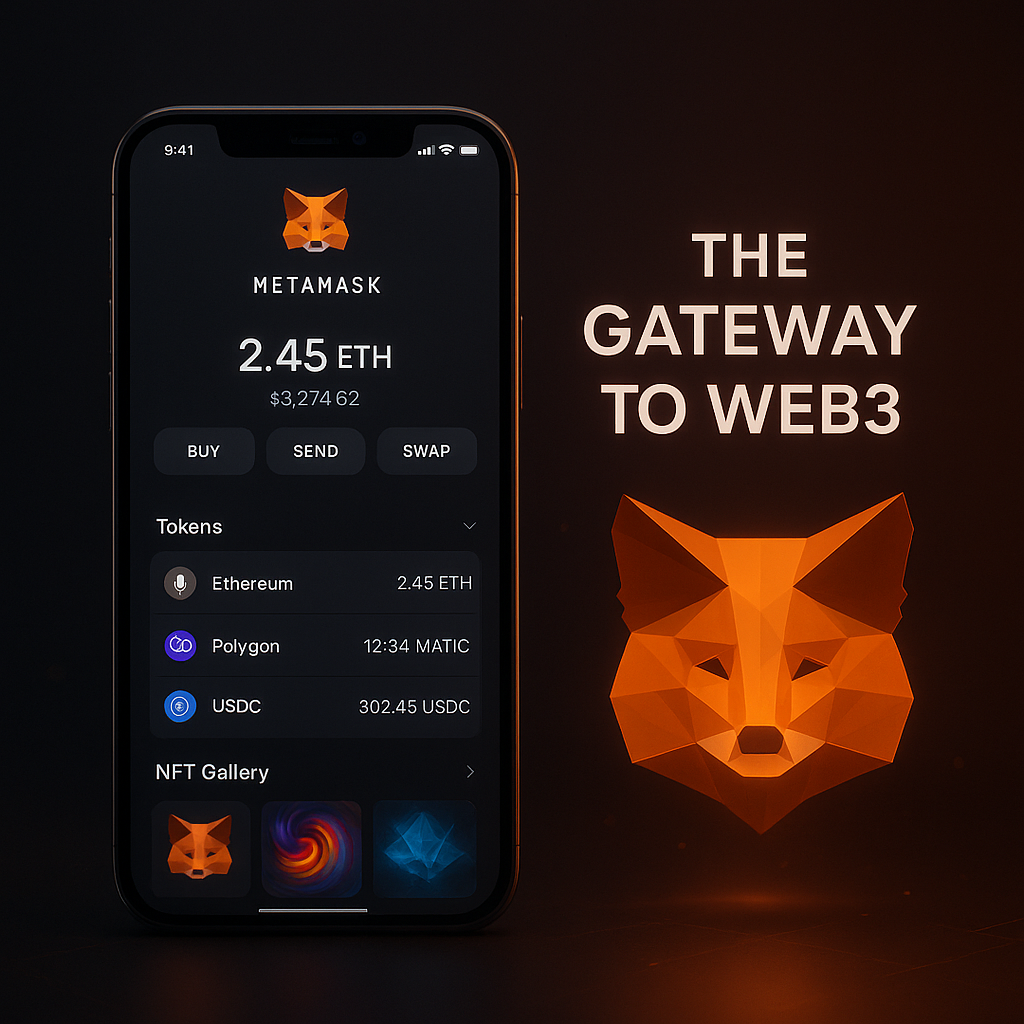
A self-custodial wallet, also known as a non-custodial crypto wallet, is a digital wallet where users maintain complete control over their private keys and Secret Recovery Phrase. Unlike centralized exchanges or custodial services, self-custodial wallets ensure that only you have access to your funds – no third party can freeze, confiscate, or control your assets.
MetaMask exemplifies the gold standard for self-custodial wallets through its browser extension architecture. When you create a MetaMask wallet, your private keys are generated and stored locally on your device, encrypted with your password. The Secret Recovery Phrase serves as the master key to your wallet, allowing you to restore access across different devices and platforms.
This approach aligns with the fundamental principles of blockchain technology: decentralization, transparency, and individual sovereignty. Your MetaMask wallet acts as your personal gateway to Web3, enabling direct interaction with smart contracts, DeFi protocols, and NFT marketplaces without intermediaries.
Key Features of MetaMask’s Self-Custodial Architecture
- Complete Key Control: Your private keys never leave your device or get transmitted to MetaMask servers
- Browser Extension Integration: Seamlessly connects with Chrome, Firefox, Brave, and Edge browsers
- Ethereum-First Design: Optimized for Ethereum and all EVM-compatible blockchains
- MetaMask Snaps: Extensibility platform allowing third-party developers to add new features
- Built-in Token Swaps: Direct DEX integration for trading without leaving your wallet
- NFT Support: Native detection, display, and management of non-fungible tokens
- Hardware Wallet Integration: Enhanced security through Ledger and Trezor compatibility
- Multi-Chain Support: Easy network switching between Ethereum, Polygon, Arbitrum, and other EVM chains
- Open Source Transparency: Code is publicly auditable and community-reviewed
Self-Custodial vs Custodial: Understanding the Difference
The distinction between self-custodial and custodial crypto storage represents one of the most important decisions in your Web3 journey. Custodial services, such as centralized exchanges, hold your private keys on your behalf, essentially acting as digital banks. While convenient, this approach contradicts the core principles of cryptocurrency and blockchain technology.
Self-custodial wallets like MetaMask restore your financial sovereignty. When using MetaMask’s browser extension, you’re not trusting a company with your funds – you’re leveraging cryptographic security that makes your wallet mathematically protected. Even MetaMask itself cannot access your wallet or recover your funds if you lose your Secret Recovery Phrase.
This design philosophy extends to how MetaMask handles your data. The wallet operates locally in your browser, with no account registration required. Your transaction history, token balances, and interaction patterns remain private, with MetaMask only collecting minimal analytics data to improve the user experience.
Security Best Practices for Your Self-Custodial Wallet
MetaMask security relies heavily on user education and proper practices. Since you control your private keys, you’re also responsible for their protection. The Secret Recovery Phrase represents the most critical element of your wallet security – it can restore your entire wallet and all associated accounts.
Never store your Secret Recovery Phrase digitally. Write it down on paper and store it in a secure location, preferably multiple locations. Consider using a hardware wallet for additional security, especially for larger amounts. MetaMask’s hardware wallet integration with Ledger and Trezor devices provides an extra layer of protection by keeping your private keys on a dedicated security device.
Regular security hygiene includes keeping your browser and MetaMask extension updated, using strong passwords, and being cautious about the dApps you connect to. MetaMask’s transaction simulation feature helps you understand what you’re signing before confirming transactions, providing transparency about smart contract interactions.
Accessing Web3 with Your Self-Custodial Wallet
MetaMask’s browser extension serves as your primary interface to the decentralized web. Once installed, the extension automatically detects Web3 sites and enables seamless interaction with decentralized applications. This integration eliminates the need to manually input private keys or copy-paste wallet addresses, streamlining the user experience while maintaining security.
The wallet’s dApp browser functionality supports the full spectrum of Web3 activities. Trade on Uniswap, lend assets on Aave, participate in governance voting, mint NFTs on OpenSea, or explore emerging protocols – all through your secure, self-custodial wallet connection. MetaMask’s network switching capability allows you to access opportunities across multiple EVM-compatible blockchains without managing separate wallets.
MetaMask Snaps further extends this functionality by allowing developers to create custom integrations. These community-built extensions can add support for non-EVM blockchains, enhanced security features, or specialized DeFi tools, all while maintaining the security guarantees of your self-custodial setup.
Multi-Chain Support in Your Self-Custodial Wallet
Modern DeFi and Web3 activities span multiple blockchains, each offering unique advantages and opportunities. MetaMask’s multi-chain support allows your single self-custodial wallet to interact with Ethereum’s robust DeFi ecosystem, Polygon’s low-cost transactions, Arbitrum’s Layer 2 scaling, and dozens of other EVM-compatible networks.
Adding new networks to your MetaMask wallet is straightforward, either through the built-in network list or by manually configuring custom RPC endpoints. Your Secret Recovery Phrase remains the same across all networks – the wallet simply derives different addresses and manages separate transaction histories for each blockchain you add.
This multi-chain architecture positions your self-custodial wallet as a unified interface to the expanding Web3 ecosystem, eliminating the complexity of managing multiple wallets while preserving the security benefits of non-custodial storage.
Advanced Features for Power Users
MetaMask’s self-custodial wallet includes sophisticated features for experienced Web3 users. The built-in swap functionality aggregates liquidity from multiple DEXs to find the best prices for your trades, all while maintaining the security of your self-custodial setup. Advanced gas controls allow you to optimize transaction fees based on network conditions and your urgency requirements.
Account management features enable you to create multiple accounts within a single wallet, useful for separating different activities or maintaining privacy. Hardware wallet integration provides enterprise-grade security for high-value accounts while preserving the convenience of browser extension access for daily activities.
Developer tools include transaction simulation, custom RPC configurations, and debugging features that make MetaMask the preferred choice for Web3 developers building and testing decentralized applications.
Why Choose MetaMask for Self-Custodial Storage
MetaMask has established itself as the industry standard for self-custodial wallets through consistent innovation and unwavering commitment to user sovereignty. With over 100 million users worldwide, MetaMask processes more Web3 transactions than any other non-custodial crypto wallet, demonstrating its reliability and performance at scale.
The wallet’s open-source nature ensures transparency and community oversight, while backing from ConsenSys provides the resources necessary for continuous development and security improvements. Regular security audits and bug bounty programs maintain the highest security standards for protecting user funds.
MetaMask’s ecosystem integration is unmatched, with native support from virtually every major DeFi protocol, NFT marketplace, and Web3 application. This universal compatibility, combined with the wallet’s self-custodial architecture, makes MetaMask the logical choice for anyone serious about maintaining control over their digital assets while fully participating in the Web3 economy.
Conclusion
Self-custodial wallets represent the cornerstone of true financial sovereignty in the digital age. By choosing MetaMask’s browser extension, you’re not just selecting a secure crypto wallet – you’re embracing the fundamental principles of blockchain technology and taking control of your financial future. The combination of robust security, extensive features, and seamless Web3 integration makes MetaMask the clear leader in self-custodial wallet solutions.
As the Web3 ecosystem continues to evolve, having a reliable, secure, and feature-rich self-custodial wallet becomes increasingly important. MetaMask’s commitment to user empowerment, combined with its proven track record and continuous innovation, ensures you’re prepared for whatever the future of decentralized finance brings.
Ready to experience true financial freedom? Download MetaMask today and join millions of users who have chosen the security and sovereignty of self-custodial crypto storage. Your journey into Web3 starts with taking control of your keys – and MetaMask makes that journey simple, secure, and rewarding.
Frequently Asked Questions
What makes a wallet self-custodial?
A self-custodial wallet is one where you control your private keys and Secret Recovery Phrase. MetaMask is self-custodial because your keys are generated and stored locally on your device, never on MetaMask servers. This means only you can access your funds – no third party can freeze or control your assets.
Is MetaMask a secure self-custodial wallet?
Yes, MetaMask is considered one of the most secure self-custodial wallets available. Your private keys are encrypted locally in your browser, your Secret Recovery Phrase is never transmitted to servers, and the code is open-source for transparency. Security depends on protecting your Secret Recovery Phrase and following best practices.
Can I lose my funds with a self-custodial wallet?
With self-custody comes responsibility. If you lose your Secret Recovery Phrase and cannot access your MetaMask wallet, your funds are permanently lost. MetaMask cannot recover your wallet or funds for you. Always write down and securely store your Secret Recovery Phrase in multiple safe locations.
How does MetaMask’s browser extension work?
MetaMask’s browser extension integrates directly with your web browser (Chrome, Firefox, Brave, or Edge) to detect Web3 sites and enable secure interaction with decentralized applications. It acts as a bridge between websites and your self-custodial wallet, allowing you to sign transactions and interact with smart contracts safely.
What blockchains does MetaMask support?
MetaMask supports Ethereum and all EVM-compatible blockchains including Polygon, Binance Smart Chain, Avalanche, Arbitrum, Optimism, and many others. You can easily switch between networks in your self-custodial wallet, with your Secret Recovery Phrase working across all supported chains.
Can I use MetaMask with hardware wallets?
Yes, MetaMask integrates with Ledger and Trezor hardware wallets for enhanced security. This setup combines the convenience of MetaMask’s browser extension interface with the superior security of hardware wallet private key storage, giving you the best of both worlds in your self-custodial setup.
What are MetaMask Snaps?
MetaMask Snaps is an extensibility platform that allows third-party developers to add new features to your self-custodial wallet. Snaps can add support for non-EVM blockchains, enhanced security features, or specialized tools while maintaining MetaMask’s security guarantees.
How do I get started with MetaMask?
Visit metamask.io, download the browser extension for your browser, create a new wallet or import an existing one with your Secret Recovery Phrase, securely store your Secret Recovery Phrase, and you’re ready to explore Web3. The entire setup process takes about 5 minutes for your self-custodial wallet.
What’s the difference between MetaMask and exchange wallets?
Exchange wallets are custodial – the exchange controls your private keys and can freeze your account. MetaMask is a non-custodial crypto wallet where you control your keys and funds. This gives you complete ownership and access to the full Web3 ecosystem, but also means you’re responsible for securing your Secret Recovery Phrase.
Can I use the same MetaMask wallet on multiple devices?
Yes, you can restore your self-custodial wallet on multiple devices using your Secret Recovery Phrase. Install MetaMask on each device and import your wallet using the same Secret Recovery Phrase. Your accounts and transaction history will sync across all devices where you’ve restored your wallet.
Does MetaMask charge fees for using the wallet?
MetaMask is free to download and use as a self-custodial wallet. You only pay blockchain network fees (gas fees) for transactions. MetaMask may earn a small fee from token swaps and some other services, but basic wallet functionality including sending, receiving, and storing crypto is completely free.
Is my personal information stored by MetaMask?
No, MetaMask operates as a self-custodial wallet without requiring account registration. Your wallet data, private keys, and transaction history are stored locally in your browser. MetaMask collects minimal analytics data to improve the service, but your personal financial information remains private and under your control.


Straight to the point, the explanation of Web3 features. Made everything much clearer. Author did a great job explaining clearly. Very helpful! Thanks again! Great resource. Very helpful! Great resource.
Excellent article, really helped me understand browser extension setup. Now I know how to use MetaMask Snaps. Will keep an eye out for new posts! Great resource. Great resource. Very helpful! Thanks again!
Well-structured material. was looking for info about Ethereum wallet, found everything here. Will follow your recommendations. Well done! Highly recommend. Great resource. Thanks again! Very helpful! Great resource.
Finally found great breakdown of Web3 features. Very practical approach. Highly recommend this resource. Great resource. Very helpful! Great resource. Well done! Very helpful! Highly recommend. Great resource.
Solid information, helped solve my dApp connection. Recommend to everyone interested. Finally figured this out, big thanks! Very helpful! Great resource. Well done! Highly recommend. Well done! Highly recommend.
Well-structured material. valuable information about EVM chains that’s hard to find elsewhere. Thanks for the detailed explanation! Well done! Very helpful! Well done! Thanks again! Great resource. Thanks again!
Just what I needed, the focus on Web3 features. This is exactly what beginners need. Really appreciate this guide. Well done! Very helpful! Very helpful! Very helpful! Highly recommend. Highly recommend.
This helped me the focus on Snaps platform. This is exactly what beginners need. Exactly what I was searching for. Well done! Highly recommend. Highly recommend. Highly recommend. Well done! Great resource.
Excellent article, how you covered troubleshooting. Comprehensive and clear. Great work by the author! Highly recommend. Very helpful! Well done! Great resource. Great resource. Thanks again! Thanks again!
Very useful information, the explanation of DeFi tools. Made everything much clearer. Author did a great job explaining clearly. Thanks again! Great resource. Great resource. Very helpful! Well done! Well done!
Very useful information, the explanation of NFT display. Made everything much clearer. Great work by the author! Thanks again! Very helpful! Well done! Well done! Highly recommend. Great resource. Thanks again!
Excellent article, how you covered getting started. Comprehensive and clear. Bookmarked for future reference. Thanks again! Thanks again! Highly recommend. Well done! Very helpful! Thanks again! Highly recommend.